










When you think of breath training, you might immediately think of improving endurance or increasing your lung capacity. These are well-established and documented benefits, so you wouldn’t be wrong. But there is a lot more to breath training than better performance, as physiotherapist and breath coach Thomas Vyncke experiences daily in his work. Indeed, training your breath might serve an even broader purpose.
With his company Unfolding, Thomas is now testing and building a new approach, a practice that combines physiotherapy with breath coaching, movement, and nervous system regulation.
For Thomas, who has worked as a physiotherapist for years, these are not separate areas of health, but interconnected systems that influence how we move, recover, and perform.
"The one thing that combines everything is the nervous system,” says Thomas. It is this perspective that shapes his approach to working with both athletes and everyday clients. Rather than asking how someone can perform better, Thomas first asks a different question: "Is the nervous system ready to train, or does it need regulation first?"
Turning data into action
Wearables and health trackers have transformed the way we monitor our bodies. From heart rate variability to sleep scores, athletes now have access to more physiological data than ever before. But information alone does not improve performance.
Thomas believes that measurements only become valuable when they translate into practical actions. "A lot of wearables give you an overload of output of data, and actually nobody can work with it because nobody knows what the data is actually telling us." Instead, his approach combines movement assessments, breathing assessments and personalised programmes to provide clients with a clear understanding of where they are today, and what they should work on next.
Strengthening the muscles you use 20,000 times a day
Many people assume breathing exercises and respiratory muscle training are the same thing, but Thomas sees them as complementary. Traditional breathwork teaches awareness, breathing patterns, rhythm and relaxation. Respiratory muscle training strengthens the muscles responsible for breathing, making every breath more efficient.
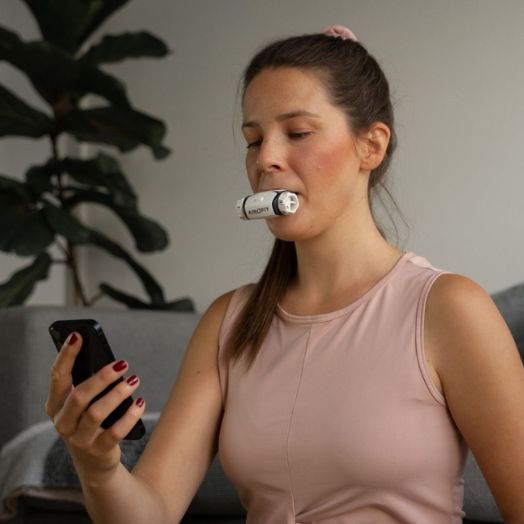
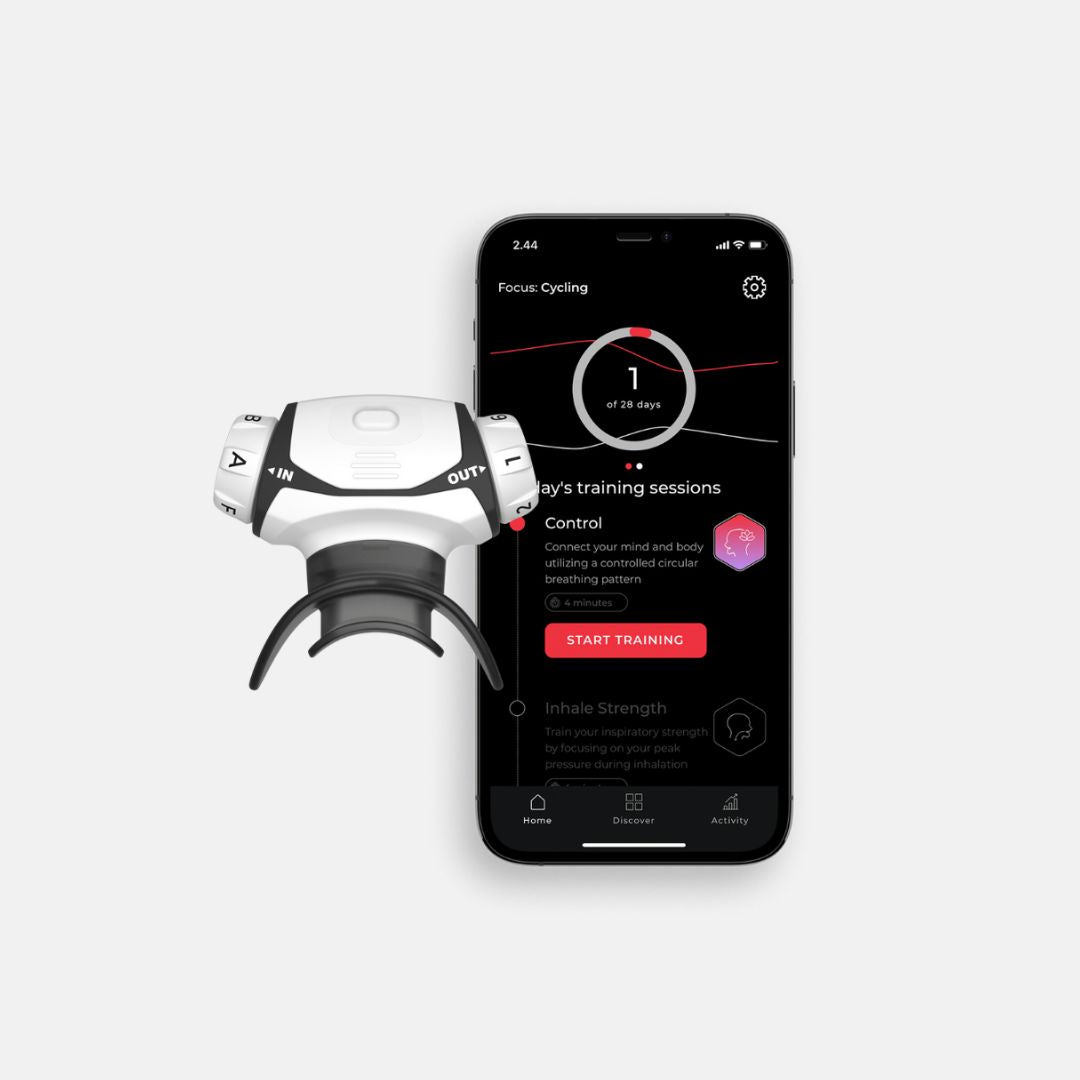
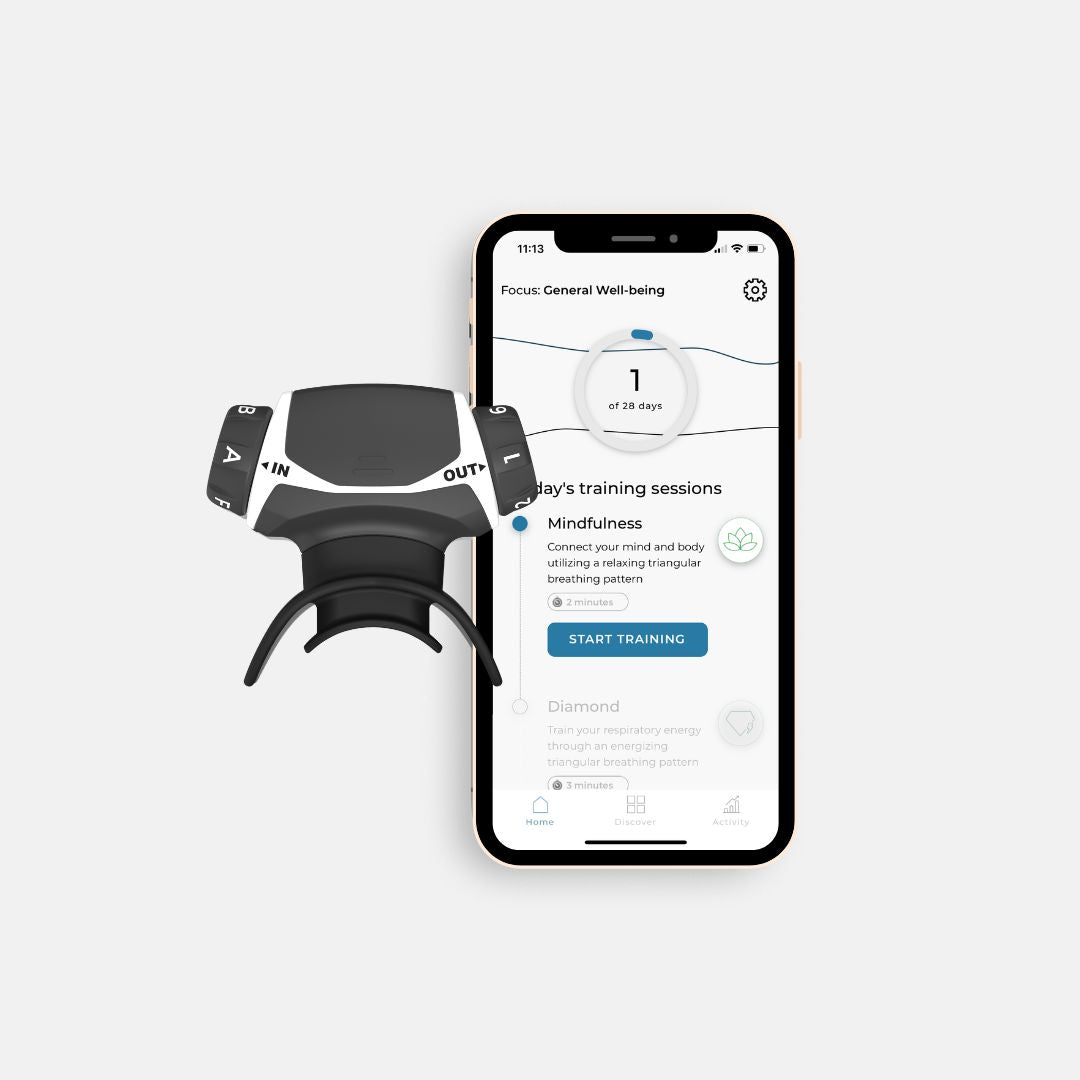
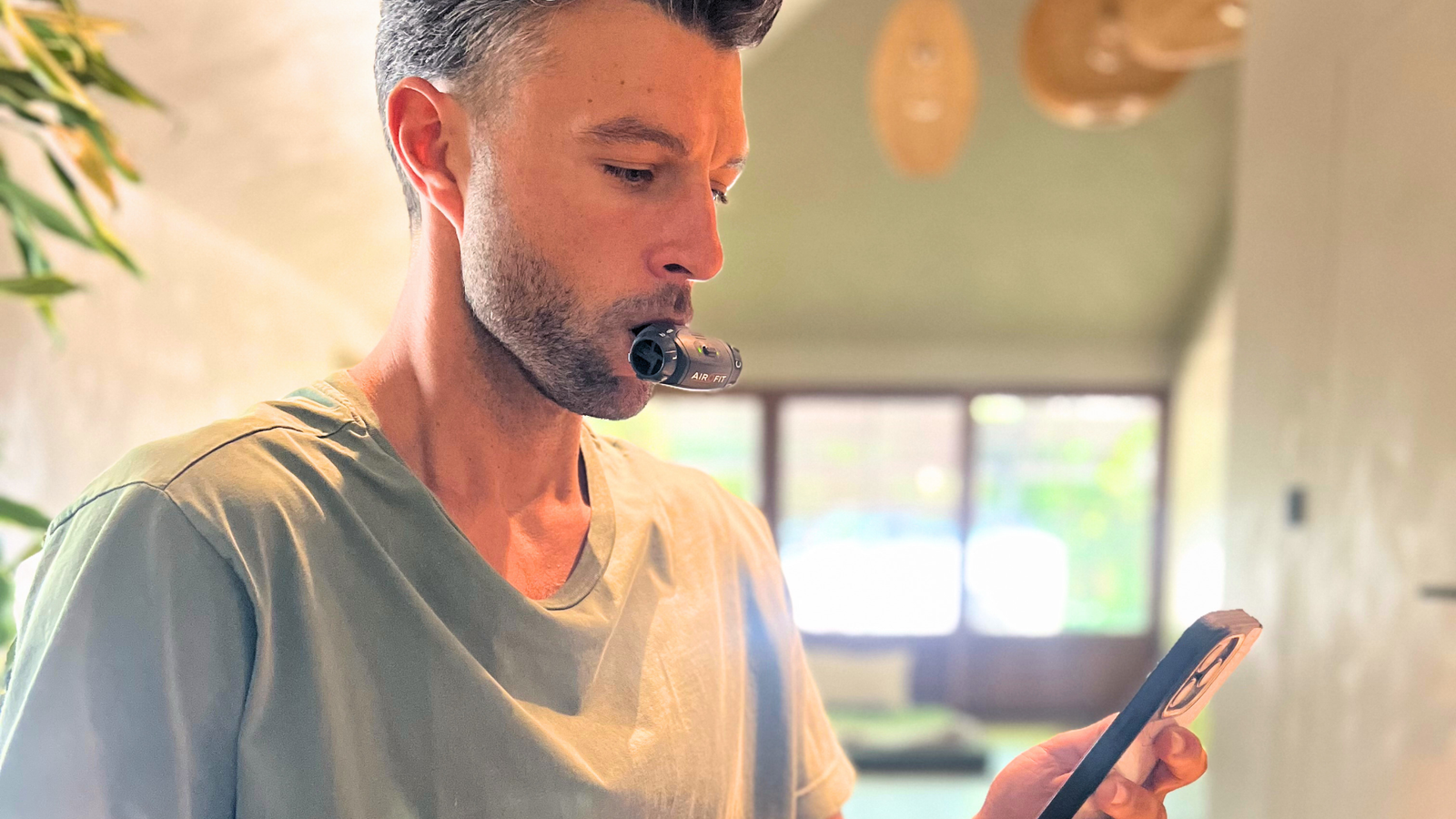
"The Airofit ELITE is the fitness of the breath.It's the fitness of the muscles of breathing,” Thomas explains.
Those stronger breathing muscles matter more than many people realise. Research published in the Journal of Applied Physiology (Harms et al., 1997) demonstrated that when the respiratory muscles fatigue, blood flow is redirected away from the working limbs to support breathing, a phenomenon known as the respiratory metaboreflex. As breathing muscles become stronger, they fatigue less quickly, allowing more oxygenated blood to remain available for locomotor muscles during exercise. Over time, this also changes how breathing feels.
“We take around 20,000 breaths a day, and it makes every breath more effortless. And not just during daily life, but especially when you are under stress physically, mentally or emotionally,” says Thomas.
These findings are reflected in a systematic review published in Sports Medicine (Illi et al., 2012), which concluded that respiratory muscle training can improve endurance performance, ventilatory efficiency and exercise capacity across a wide range of sports.
The connection between breathing and the nervous system
Breathing is unique because it is both automatic and voluntary. While the brainstem regulates breathing without conscious thought, we can also intentionally change our breathing pattern, creating a direct pathway to influence the autonomic nervous system.
Thomas explains that breathing is regulated by what he describes as a "pacemaker-like system" in the brainstem (the lower part of the brain), which is constantly responding to information from the body, our thoughts and our emotions. One aspect of this regulation involves carbon dioxide.
Although oxygen often receives most of the attention, rising CO₂ levels are one of the primary drivers that stimulate breathing. Improving tolerance to higher levels of CO₂ can therefore help people remain calmer and more comfortable during physical exertion and stressful situations. As Thomas explains: "When people become more tolerant to the carbon dioxide, stress tolerance increases a lot. The same type of stress is not even bothering you anymore."
Research supports this relationship. Controlled breathing has consistently been shown to improve heart rate variability, increase parasympathetic activity and reduce physiological markers of stress (Russo et al., 2017), demonstrating that breathing influences not only performance, but also recovery and emotional regulation. For moments of acute stress, however, Thomas believes the solution can be remarkably simple: “If you breathe out more than you breathe in, your nervous system will relax, your body will relax, the stress state will lower."
Consistency over complexity
One misconception Thomas often encounters is that breath training requires long, structured daily routines. Instead, he encourages people to find a routine that fits naturally into their existing schedule. "Where do you have these five minutes a day?" he asks. For some people, that may be first thing in the morning. Others might benefit from a short session during the workday.
When the goal is relaxation and recovery, however, Thomas often recommends practising later in the day. "The most important part of the day to be relaxed is in the evening because it influences the quality of your sleep a lot." Rather than chasing longer sessions, he believes consistency and quality are what creates lasting adaptations.
Rethinking performance
Most athletes initially approach Thomas looking for improved endurance or aerobic capacity. Those benefits certainly matter. What often surprises them however are the improvements they weren't expecting: better recovery, greater mental clarity, improved stressresilience and a stronger sense of control under pressure. "They're very, very surprised,”he says.
For Thomas, performance extends well beyond faster race times or higher training volumes: "It's not about doing more, but being more intentional with the work that you put in. If you're more intentional, the result is so much more." Using the example of his 89-year-old grandmother, who feels better after climbing up the stairs now that she trains her breath with Airofit, Thomas shares: “A lot of things that inspire me are about how we can raise the quality of our lives."
Whether you're preparing for your next marathon, recovering from injury or simply hoping to move through everyday life with greater ease, breath training offers benefits that extend far beyond sport. By strengthening the respiratory system and improving the body's ability to regulate stress, it can support not only better performance, but a better life quality.