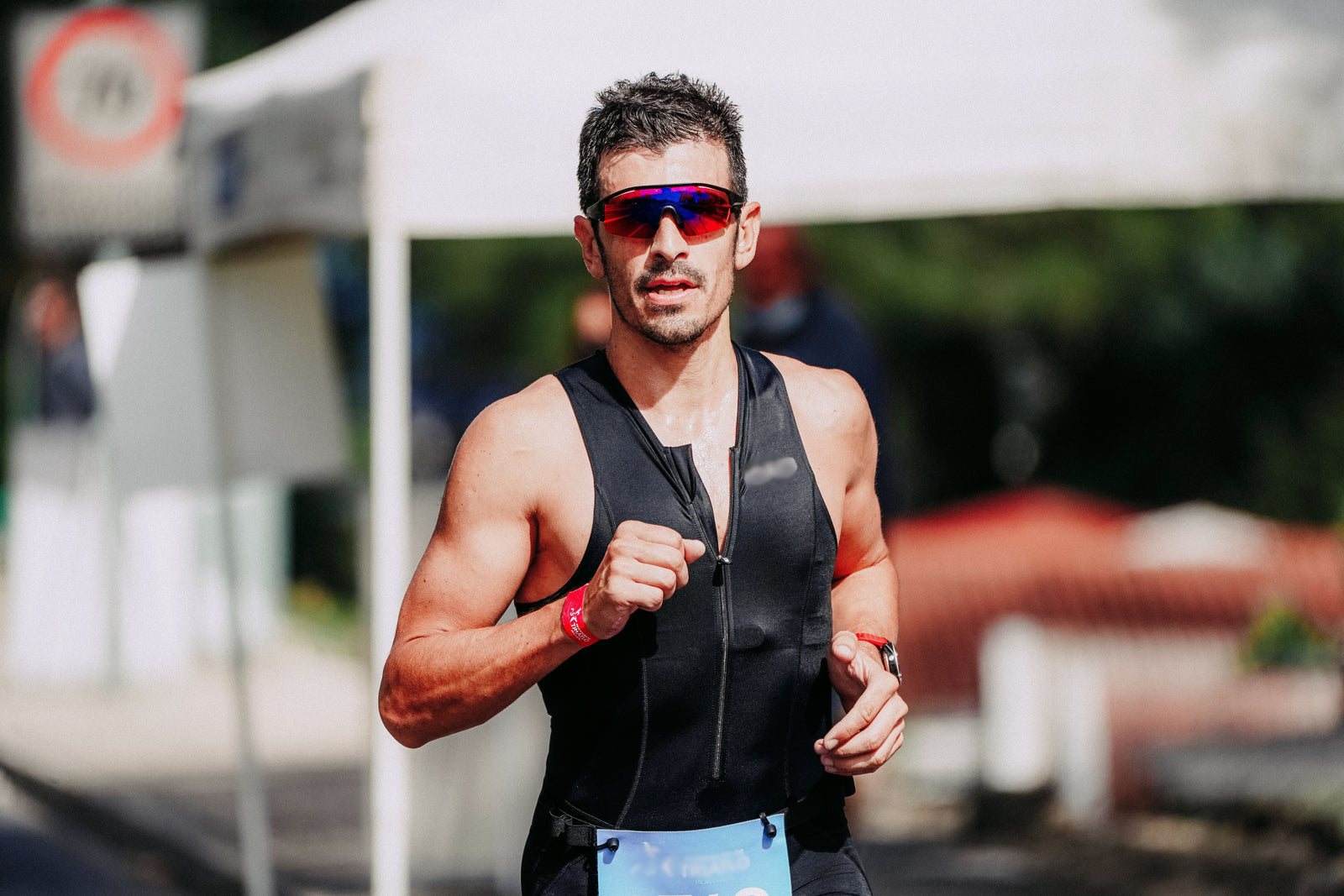












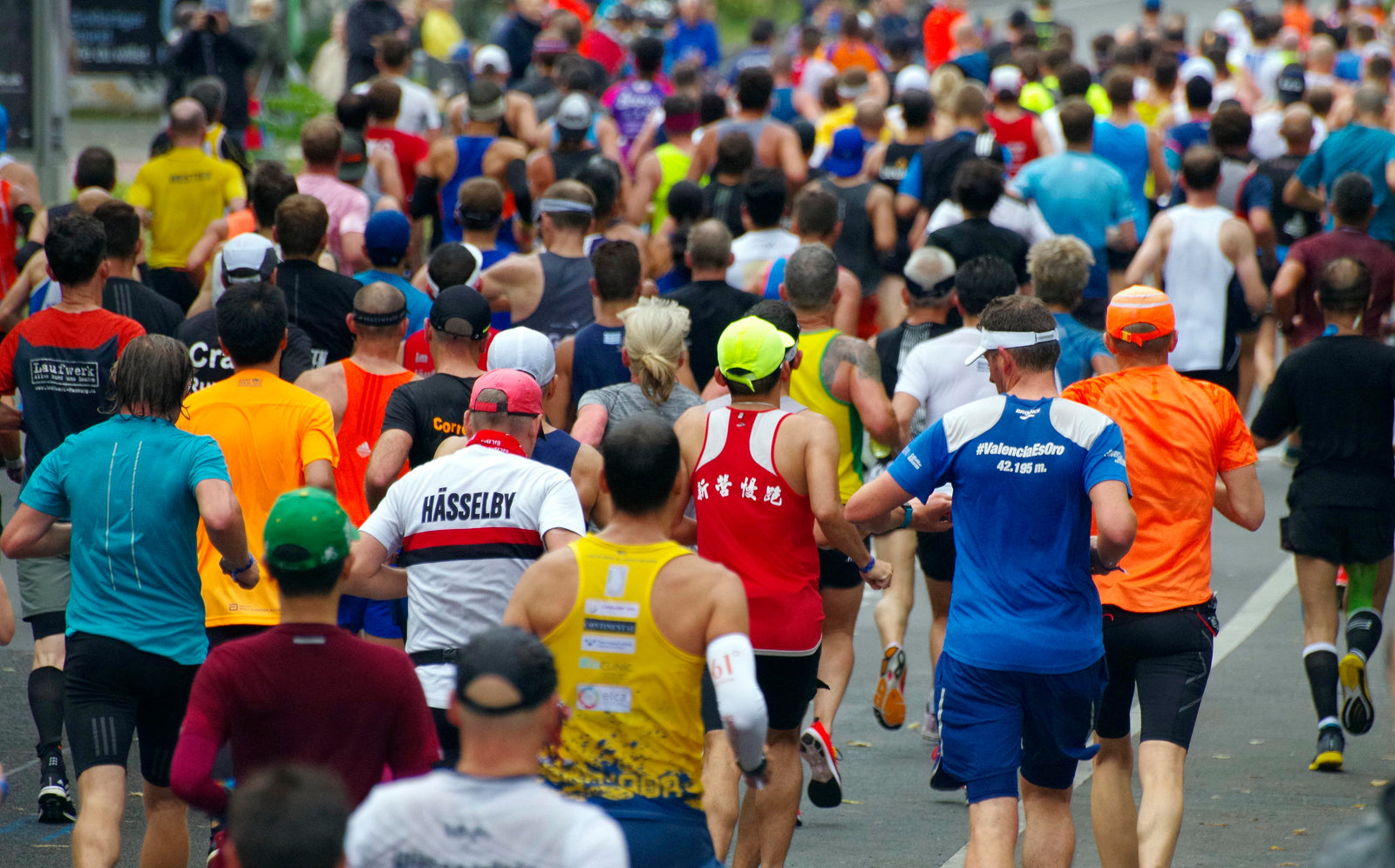

With races like the Copenhagen Marathon approaching, many runners are focused on areas such as pace and nutrition in their training routine. These are of course essential, but there is another system working in the background that often goes untrained: your breathing.

At higher intensities, performance is not just about how strong your legs are. It is about how well your body can regulate itself under load. As the pace increases, your breathing becomes faster and more shallow, with carbon dioxide levels rising and the feeling of breathlessness intensifying. Beyond discomfort, this is a clear signal from your body’s regulatory system encouraging you to slow down.
Research has shown that the respiratory system plays a key role in how effort is perceived. A study published in the Journal of Applied Physiology (Harms, 1997) showed that when breathing muscles fatigue, the body redistributes blood flow away from the legs to support breathing. This mechanism, known as the ‘respiratory metaboreflex’, can directly limit endurance performance.
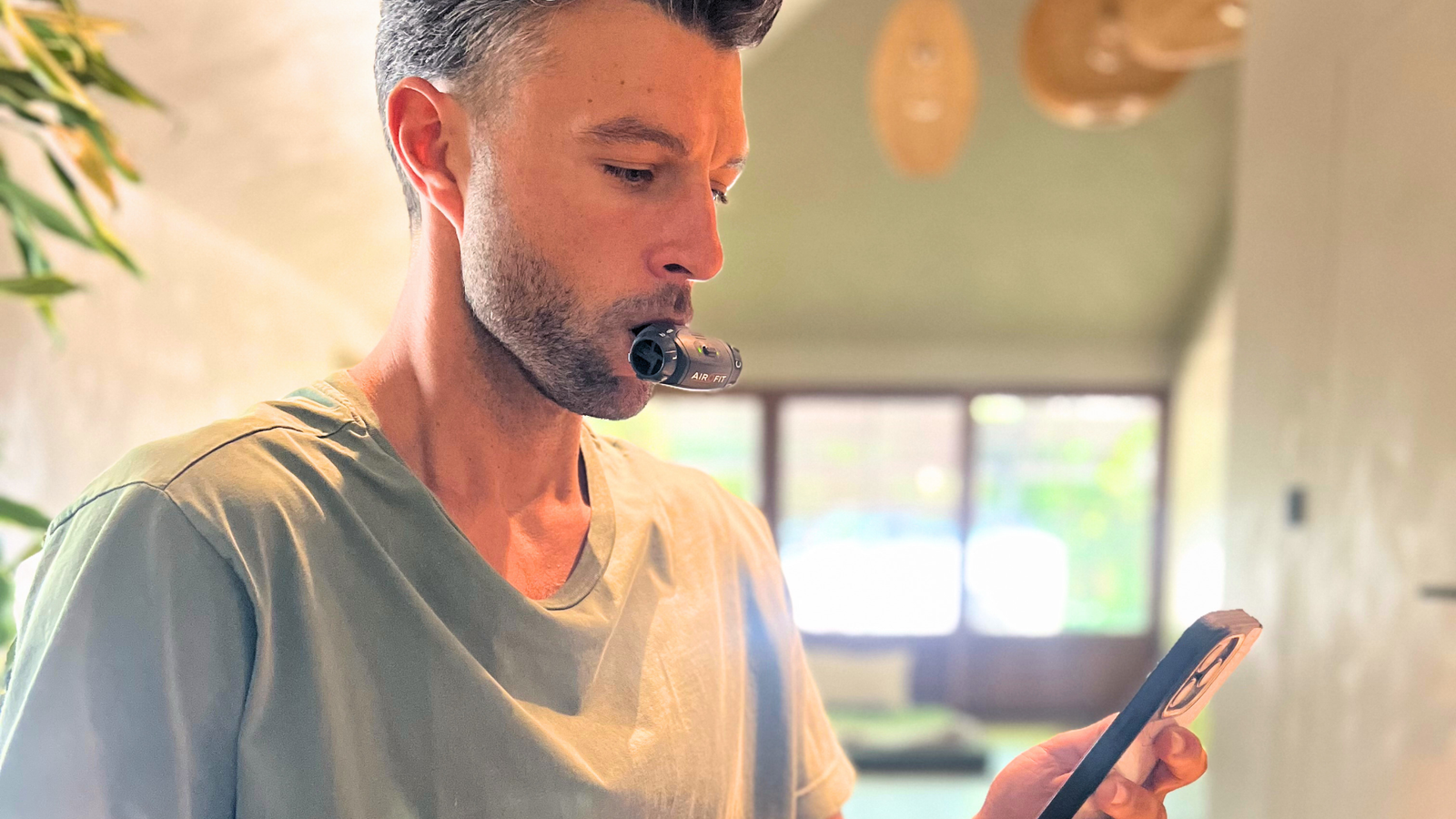
This is where respiratory muscle training becomes crucial. Just like your legs, the diaphragm can be trained to become stronger and more efficient. Over time, this reduces the effort required for each breath and allows the body to maintain stability under higher physical load.

A review in Sports Medicine (Illi, 2012) found that respiratory muscle training can improve endurance and race completion times, with performance benefits across a wide range of sports. These improvements are linked to better ventilatory efficiency and the reduced sensation of effort, with the same workload.
The way your body handles stress is also affected. Breathing is intricately connected to the nervous system, which regulates the heart rate, as well as your stress response and your recovery. Slower, more controlled breathing has proven to improve the heart rate variability and reduce physiological stress, according to research in Frontiers in Physiology (Russo, 2017). That means that athletes are not only better prepared physically, they are also more composed and focused when the intensity rises.

So what does it mean for runners who train their breath ahead of a marathon? The answer is simple. Instead of reaching a point where your breathing becomes erratic or uncontrollable and forces you to slow down, you can stay more stable while running, and for longer. The sensation of effort is still there, but it becomes more manageable.
For endurance events, this can make a huge - and measurable - difference. Studies on breath training have reported improvements in time to the exhaustion threshold, faster recovery between efforts, and increased lung capacity. These results start showing within the first 4 weeks, with just 5 to 6 minutes of breath training a day. And these changes are not only relevant for the endurance part of a marathon, but also for the high-pressure environment, the crowded race starts or the final kilometers.
Training your breathing does not remove fatigue or the discomfort running a marathon brings. Such events are hard work, but breath training can change how your body responds to them. You feel more in control, and under pressure, that shift can well make the difference between staying ahead or staying behind.
So as you prepare for your upcoming marathon, it is worth considering not just how far or how fast you can run, but how well you can regulate your breathing efforts when it matters most.