









Breathing is something we do around 20,000 times every day, yet most of us rarely stop to think about how we breathe. As physician and freediving world champion Dr. Mike Maric writes in The Science of Breathing, breathing is “the most natural act that exists, the most automatic and spontaneous. For this reason, we may very well not give it any attention."
But this (seemingly) automatic function has a huge influence on how our bodies move, recover, respond to stress and perform. Whether you're training for a marathon, preparing for a race or simply looking to improve your fitness, understanding your breath could be one of the most valuable steps you can take. Yet, it is often overlooked.

So what actually happens when we breathe?
Every inhale draws air into the lungs, where millions of tiny air sacs called ‘alveoli’ transfer oxygen into the bloodstream while removing carbon dioxide. Maric points out that these alveoli create an astonishing 100–150 square metres of respiratory surface area - roughly the size of a tennis court. This vast exchange system supplies the oxygen our muscles rely on during exercise, while efficiently clearing the carbon dioxide produced as they work.
Supporting this entire process is the diaphragm, the body's primary breathing muscle.
When the diaphragm functions efficiently, breathing becomes deeper, more coordinated and less demanding, allowing the body to perform with greater efficiency.
One of the book's central themes is that breathing is far more than a mechanical process. It is closely linked to the brain, the nervous system and our ability to regulate stress. According to Maric, breathing influences our "state of attention," helping shape both our physiological and mental response to challenging situations.
This is why breathing techniques have become an increasingly important part of athletic preparation, not simply to improve endurance, but to stay calm before competition, maintain focus under pressure and recover more effectively between efforts. Rather than reacting to stress, athletes can learn to regulate it through deliberate breathing.
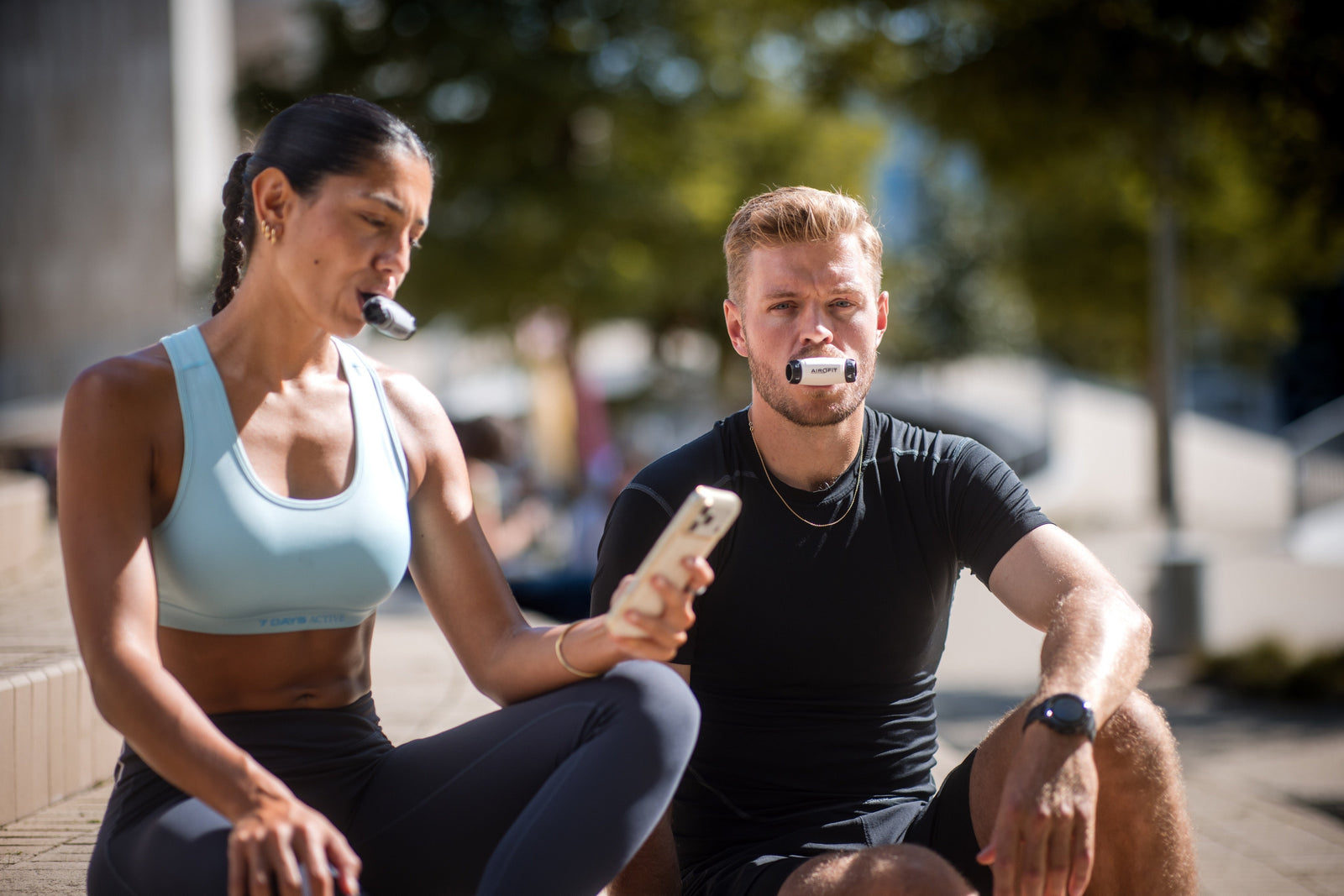
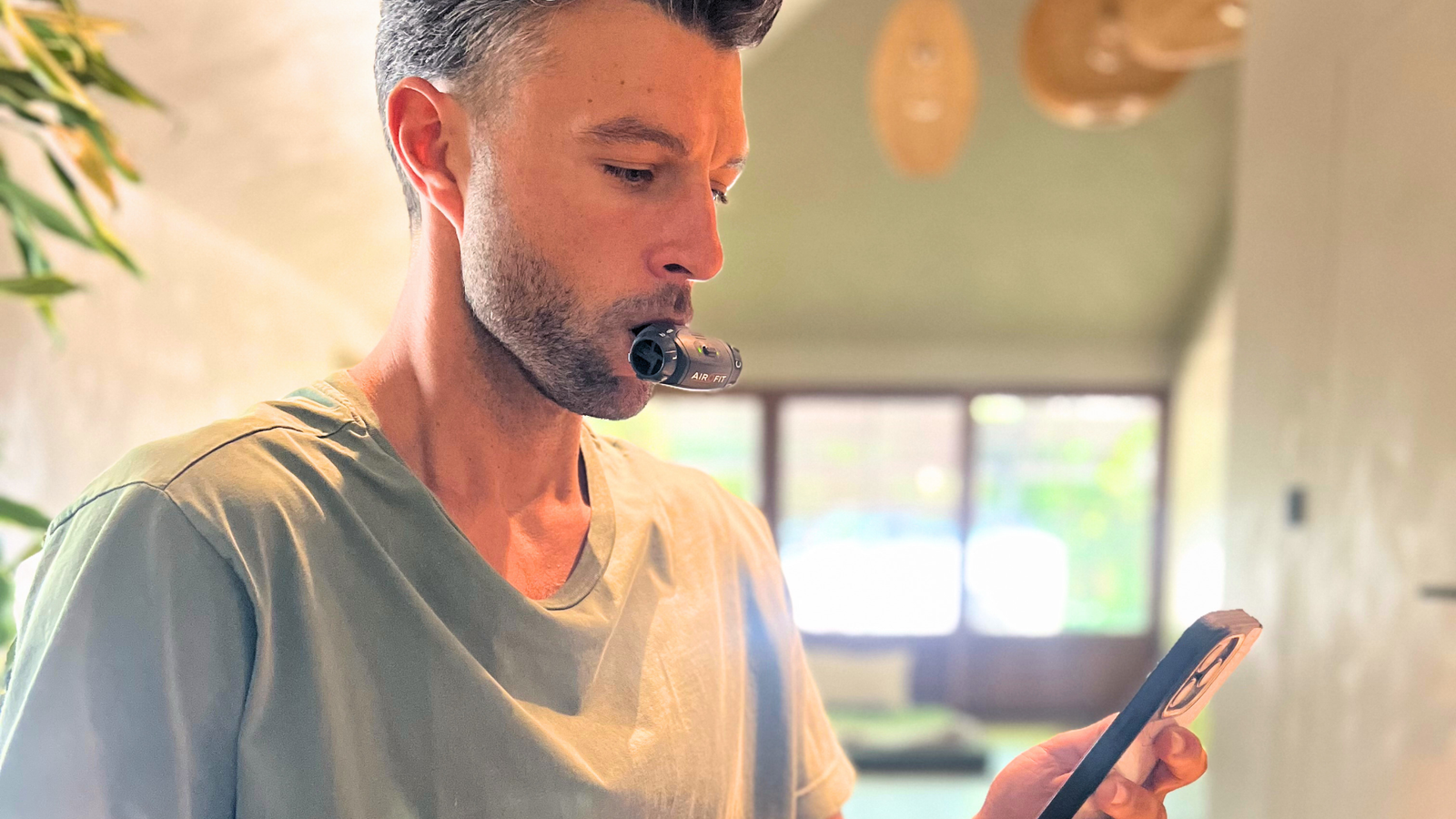
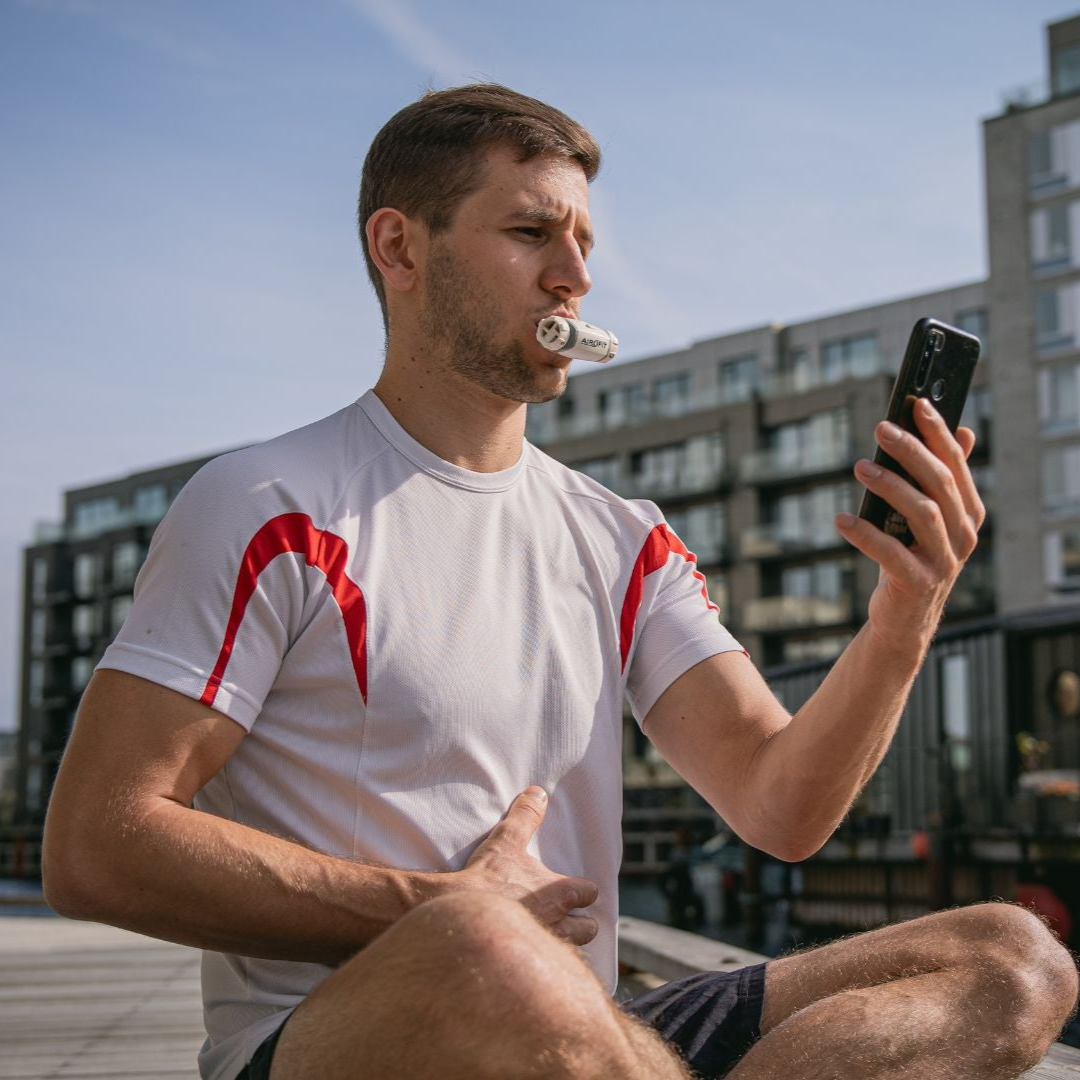
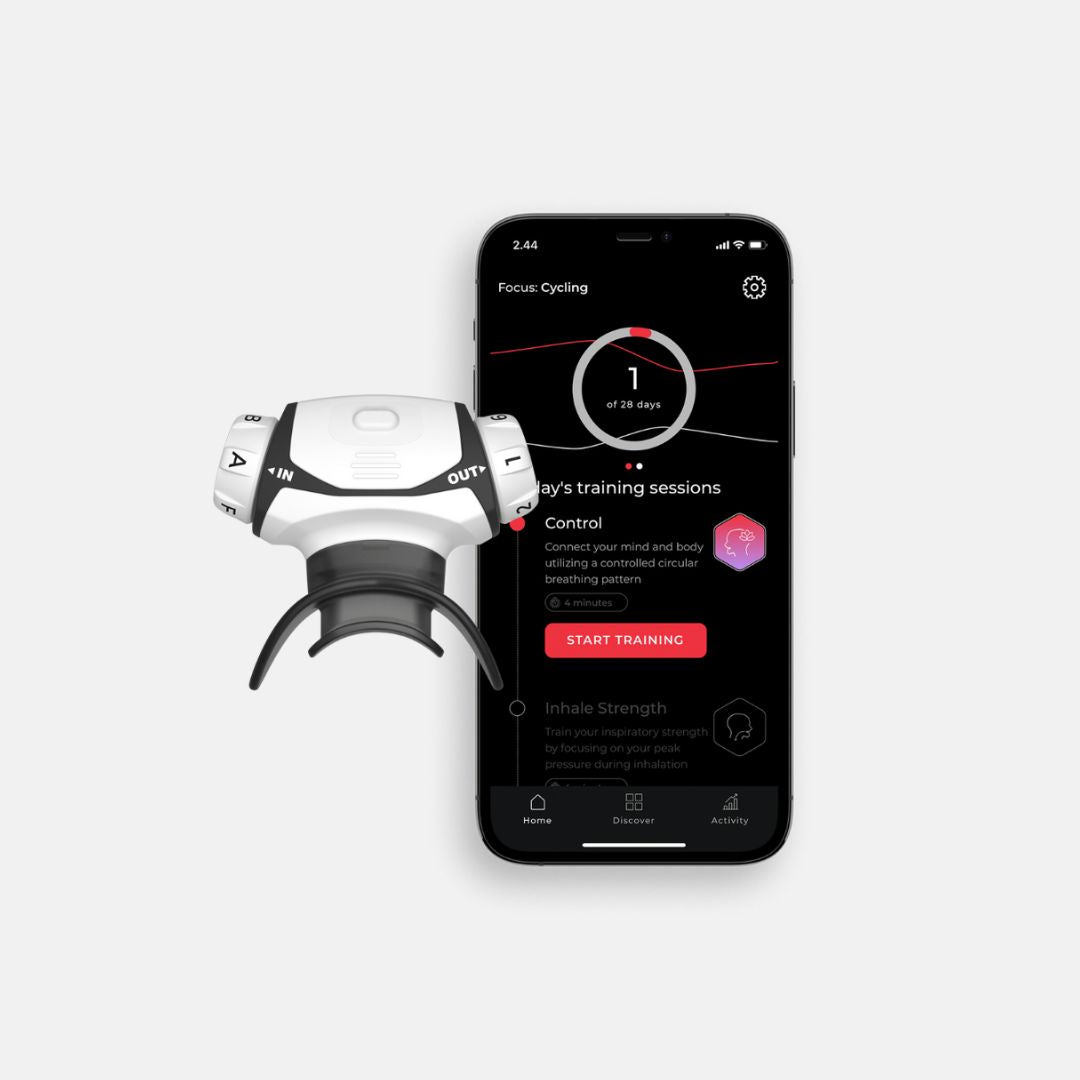
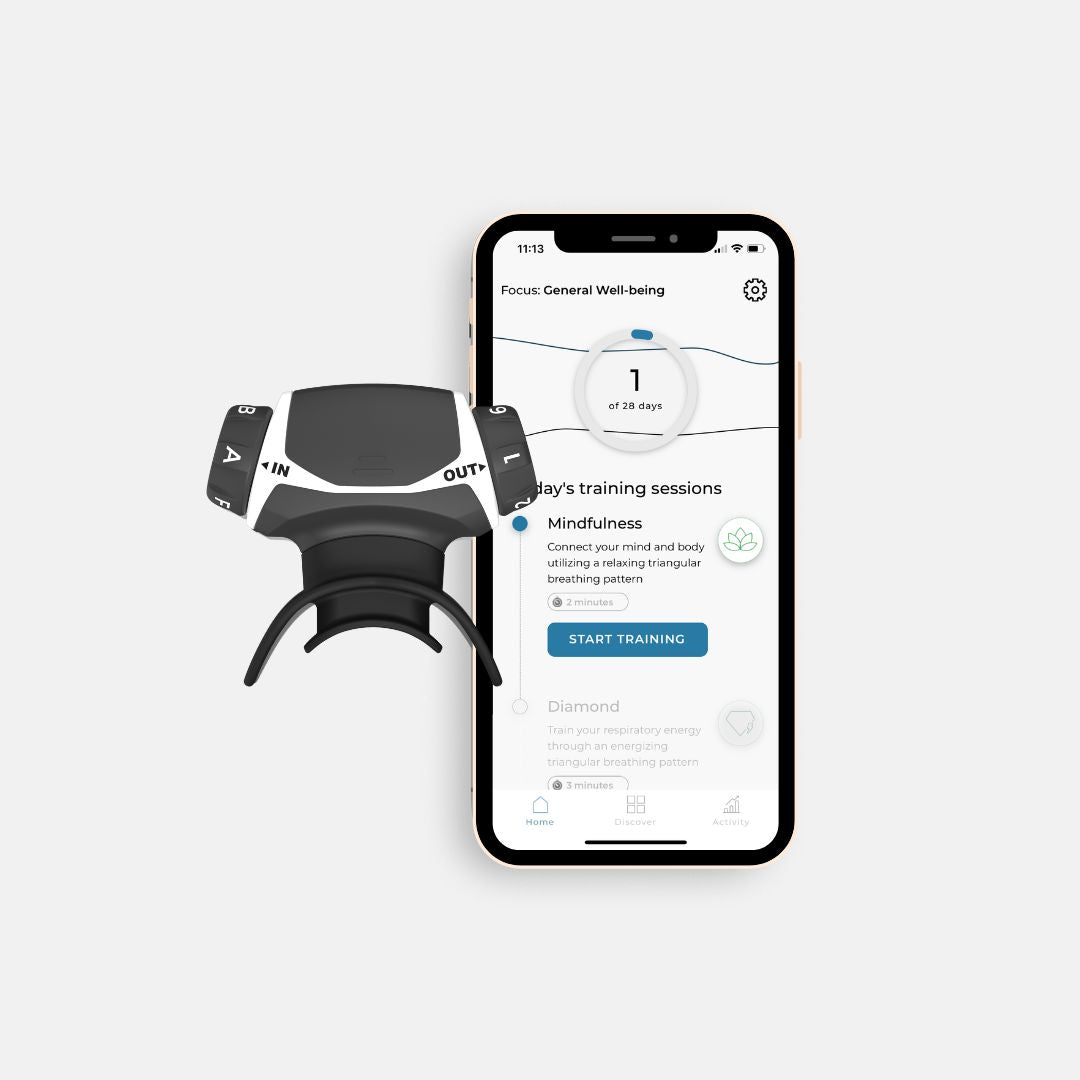
For athletes, that’s where breath training becomes especially valuable. Just like strength training develops the muscles in your legs or upper body, respiratory muscle training strengthens the muscles responsible for breathing. As these muscles become stronger and more resistant to fatigue, breathing requires less effort, leaving more energy available for movement and performance. Over time, this can improve breathing efficiency, delay fatigue and support faster recovery between training sessions or competitive efforts.
Rather than treating breathing as something that simply happens, Maric presents it as a trainable skill - one that supports performance from preparation through to recovery.
The science behind breath training for athletic performance
- Train the respiratory muscles: The diaphragm and other breathing muscles respond to training just like skeletal muscles, becoming stronger and more efficient over time.
- Reduce the work of breathing: Stronger respiratory muscles require less effort during exercise, helping conserve energy for the muscles powering your movement.
- Maximise the lungs' exchange capacity: The lungs contain around 100–150 m² of alveolar surface area, where oxygen enters the blood and carbon dioxide is removed. Efficient breathing helps make the most of this remarkable system.
- Delay respiratory muscle fatigue: Better-conditioned breathing muscles can continue working efficiently during prolonged or high-intensity exercise.
- Support focus and composure: Controlled breathing helps regulate the nervous system, making it easier to stay calm and focused under pressure.
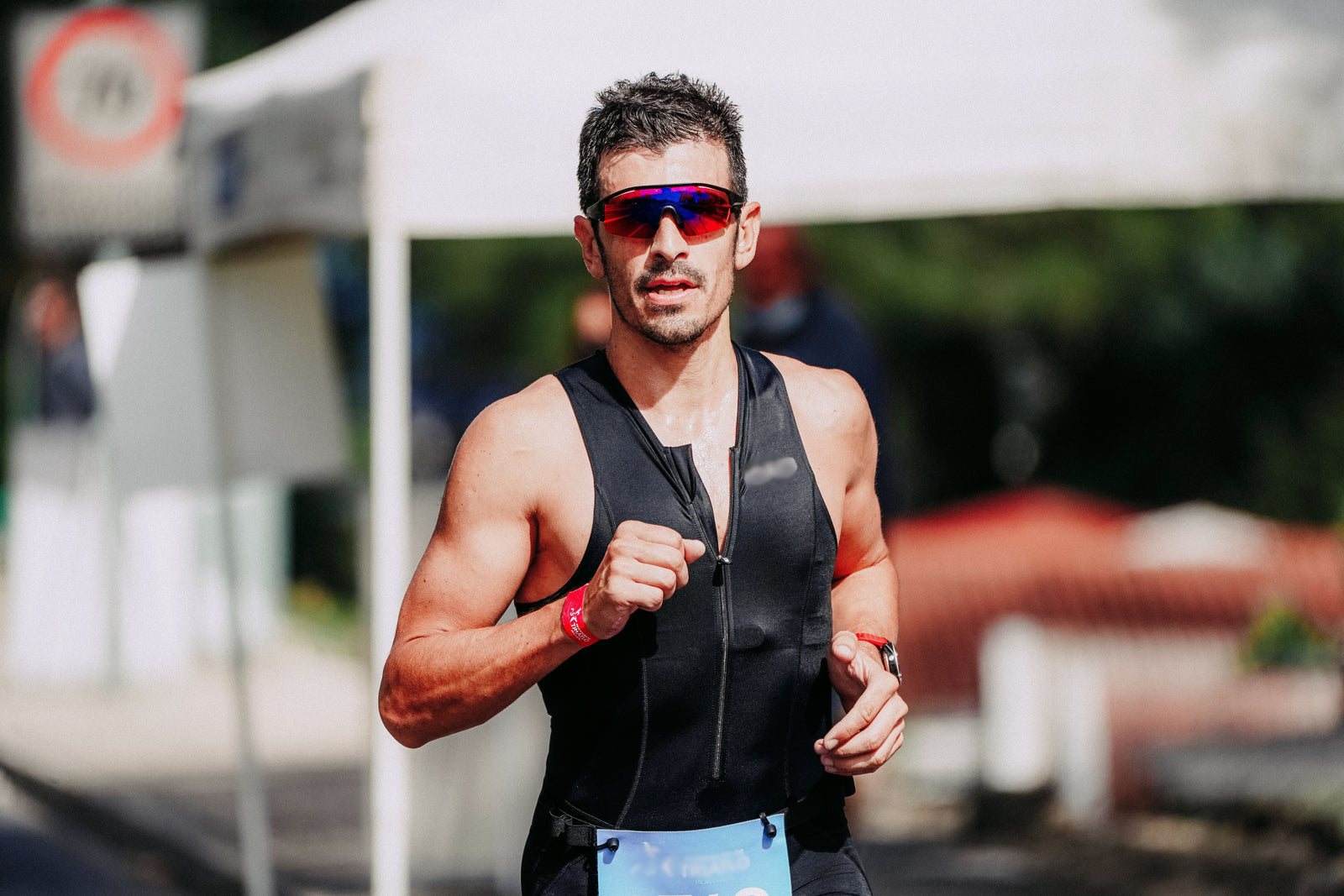
- Recover more efficiently: Deliberate breathing after exercise can help shift the body towards a calmer physiological state, supporting recovery between intervals, disciplines (such as in a triathlon race) or training sessions.
- Improve breathing awareness: Understanding how you breathe helps athletes better manage pacing, effort and recovery throughout both training and competition.
Maric concludes that "Learning to know your breath and using it well can be a fundamental step in finding yourself and a good life balance." For athletes, that journey also extends to better performance. Breathing may be automatic, but breathing well is a skill that can be practised, measured and improved.
By understanding the science behind every breath, and by training the respiratory system for strength or endurance, athletes can unlock one of the body's most powerful performance tools.